
Everybody has to answer this question eventually. You can only avoid the news for so long before it shocks you awake. You can only avoid the hospital for so long before you find yourself frozen in that florescent lobby.
Some will say, no worries, it is all getting better and better. Until it’s not.
Some will say, life is suffering. Endure.
The atheist’s answer is simple. There was never an expectation of anything different.
The Judeo-Christian answer is quite different. In the beginning there was intimacy, innocence, freedom, flourishing, abundance, immortality, health, and peace (in other words, all the things we long for). God made the world, and it was very good. But there’s a plot twist in Genesis 3. All that goodness is lost, replaced by pain, power struggles, loneliness, envy, selfishness, toil, struggle, harsh conditions, a fight for survival, and death—it’s a fairly comprehensive list.
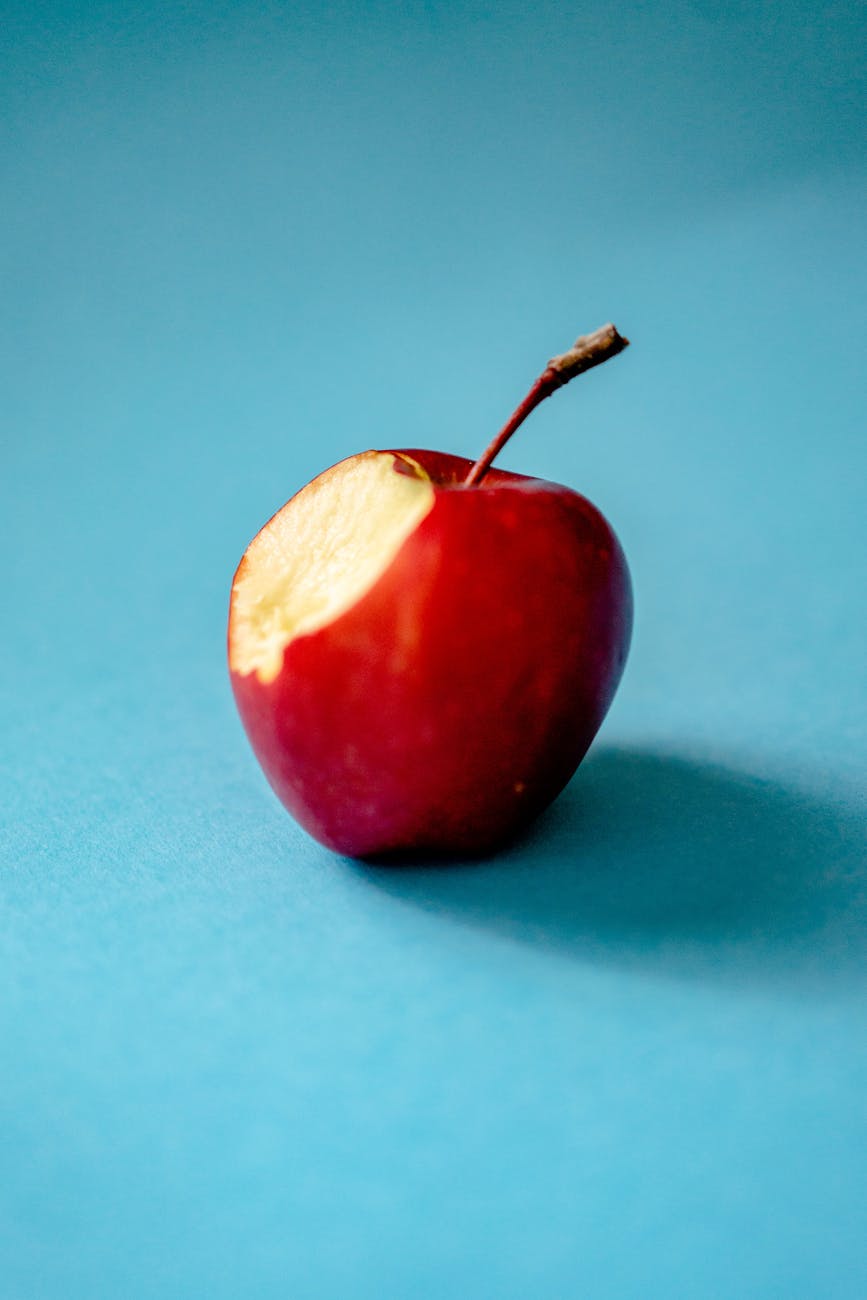
All this because Eve ate an apple? What kind of story is this, anyway? So let’s take a look. What was it that happened in Eden that ruined it all for all of us?
Right there in the beginning the antagonist shows up. And what an enemy he is—slithering in among all that goodness like a snake in the grass, barely a visible rustle to put you on your guard. We don’t know much about him, except that he is shrewd—so, so smart—a liar, bristling with animosity towards God and these people whom God inexplicably seems to love. He slides right up next to Eve and starts with a question.
“Did God really say you must not eat the fruit from any of the trees in the garden?” No, in point of fact, God did not say that, and the implication of the question is that God is stingy and mean. Eve, the serpent hisses, are you really going to listen to that guy?
One would think that Adam and Eve would immediately turn around and ask God “who is this? what’s his deal?” But they don’t.
Do you see the sin behind the sin?
It’s interesting to ponder the serpent’s tactic here. He never says, “you should totally eat that.” He twists. He exaggerates. He sows doubt. God is holding out on you. And Eve doesn’t first run for the fruit, she overcorrects.
“God said, ‘you must not eat it or even touch it; if you do, you will die.”
What did God actually say? “You may freely eat the fruit of every tree in the garden—except the tree of the knowledge of good and evil. If you eat its fruit, you are sure to die.” Here they were in an unbelievable orchard, a million kinds of fruit as far as the eye could see, all freely available. Except one.
It wasn’t, as far as I can make out, a magic tree, though that perhaps was what the serpent wanted them to think. Eating that piece of fruit was not akin to The Matrix’s red pill—one bite and you somehow become omniscient. No, I think it was just a piece of particularly lovely fruit; as the text says, “the tree was beautiful and its fruit looked delicious.” God set it apart and called it off limits for reasons of his own, knowing that the result of eating from it would be a lonely, bitter knowledge.
The serpent knew that the overpowering desire to choose for yourself what is good and what is evil would be too much for the unsuspecting couple to resist. But how to tempt them?
Sometimes the best way to get someone to jump into Ditch A is to push them towards Ditch B. Like a new driver, we overreact. That fearful swerve’ll get you every time. And so Eve matches the serpent’s exaggeration with one of her own invention, and then his job was easy. “Don’t even touch it…”
The serpent snaps back. “You won’t die! God knows that your eyes will be opened as soon as you eat it, and you will be like God…”
Eve saw the beauty of the tree and wanted wisdom for herself. Beauty and wisdom? Great goals. Delicious fruit? What a gift. So what’s the problem?
First, cocking your head to listen to a toxic voice is a dangerous game. Do you regularly tune in to voices that stir up doubt and discontent? Do you find yourself fearful that your autonomy is slipping away? You won’t listen long before you start to swerve. Quick now, grab it while you can.
Second, Eve has a serious trust problem. This good Father who graciously lavished gifts upon her said one thing, and she tossed it out the window at the slightest provocation. What if God’s intentions weren’t good? What if he was withholding the best part and keeping it for himself? Indeed, what if God is a liar?
That dangling piece of fruit suddenly made Eve wonder if she could ever be happy without a bite. If her first problem was mistrust, fast on its heels was discontent. The pair of them!
Here, then, is the sin behind the sin. Before Eve ever broke a rule, she let distrust and discontent rule her heart.
God’s deep desire is a rich and joyful relationship with us, as we see right here in Genesis 3. While Adam and Eve wrestle with their newfound experience of shame, fear, and blame, grace pours onto the page.
“When the cool evening breezes were blowing” (they’re still blowing!) “the man and his wife heard the Lord God walking about in the garden. So they hid from the Lord God among the trees. Then the Lord God called to the man, ‘Where are you?”
God does not change. He still seeks relationship, pursuing them, giving them a chance to admit their royal screw-up, inviting them into conversation. Every time we choose to withhold trust, to decide for ourselves what’s right and wrong, we turn our back on the one who would freely give us every good and perfect gift.
And so the world is broken. When Adam and Eve pushed the boulder of sin over the edge of the hill, they really put their backs into it, and still it rolls, an avalanche of heartache spreading out from that initial choice. All of us, downhill from that catastrophe, have been in desperate need of rescue.
Right there in Genesis 3, grace. In the middle of his list of consequences for the snake, God says something surprising. “I will cause hostility between you and the woman, and between your offspring and her offspring. He will strike your head, and you will strike his heel.” Who is this snake crusher? Who will endure those venomous fangs in order to stomp the serpent’s head?
The whole of the Old Testament rolls out in search of the answer to this question, and the opening pages of the Bible are connected all the way up to Christ. Creation, fall, redemption, restoration.
“For from his fullness we have all received, grace upon grace” (John 1:16).

 Catherine's Letters